Moroccan Desert: Why Erg Chigaga Will Ruin Every Other Destination for You (In the Best Way)
The first time the Sahara swallowed me whole, I was standing barefoot on a dune the size of a small mountain, watching the sun melt into the horizon like spilled honey. No Wi-Fi. No noise. Just wind, sand, and the kind of silence that makes your chest ache in a beautiful way. If you’re even remotely curious about the Moroccan desert, stop whatever you’re doing — because this article is about to become your most-used browser tab.
What Exactly Is the Moroccan Desert — and Why Does It Matter?
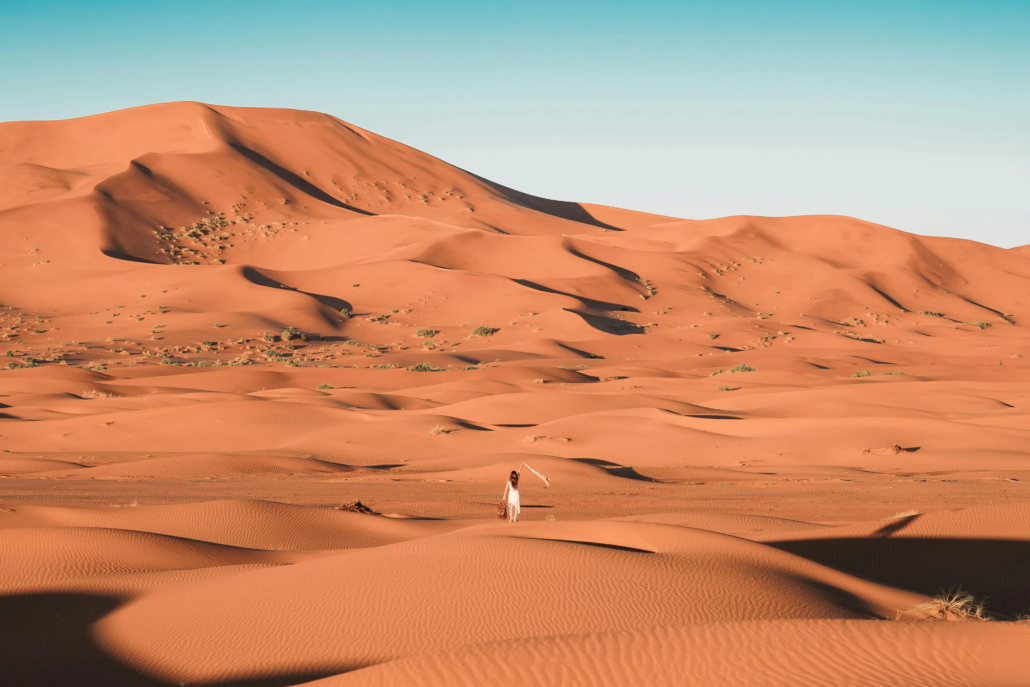
Morocco sits at the edge of the world’s greatest hot desert, the Sahara, and the country holds some of its most jaw-dropping corners. But here’s what most travel blogs won’t tell you: not all Moroccan deserts are created equal.
There are two main erg (sand sea) regions worth knowing:
| Desert Region | Distance from Marrakech | Crowd Level | Vibe |
|---|---|---|---|
| Erg Chebbi (Merzouga) | ~560 km | Moderate–High | Classic, accessible |
| Erg Chigaga | ~600 km | Low | Remote, wild, untouched |
Erg Chigaga is the one that makes seasoned travelers go silent. It’s vast — nearly 40 km of uninterrupted dunes — and because it requires a 4×4 ride through piste tracks to reach, the crowds simply don’t bother showing up. That’s your advantage.
Why Erg Chigaga Is the Crown Jewel of the Moroccan Desert
Let’s be honest: you could spend a night in a budget tent, eat a lukewarm tagine, and tick “Sahara” off your list. Or — and hear me out — you could do it properly.
Ghazala Camp sits right in the heart of Erg Chigaga and is, without question, one of the finest luxury desert experiences in all of Morocco. We’re talking en-suite luxury tents, gourmet dining under a sky so full of stars it looks photoshopped, a rooftop terrace, and a swimming pool (yes, in the Sahara — it’s as surreal as it sounds).
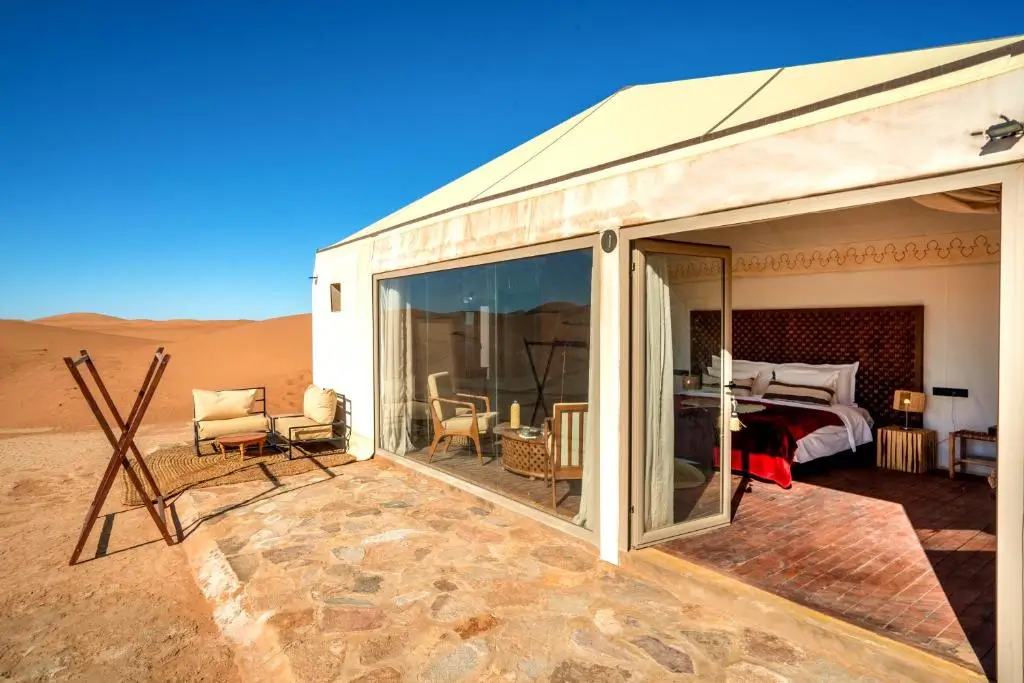
“Staying at Ghazala felt less like camping and more like discovering a secret civilization hidden behind the dunes.” — a recent guest review
This isn’t glamping in the basic sense. It’s desert hospitality elevated to an art form.
The Erg Chigaga Experience: What Makes It Different
Here’s what a typical day at Ghazala Camp looks like — and trust me, “typical” feels like the wrong word entirely:
- Dawn: Wake up before sunrise (yes, set that alarm — you’ll thank yourself). The light turns the dunes copper and rose.
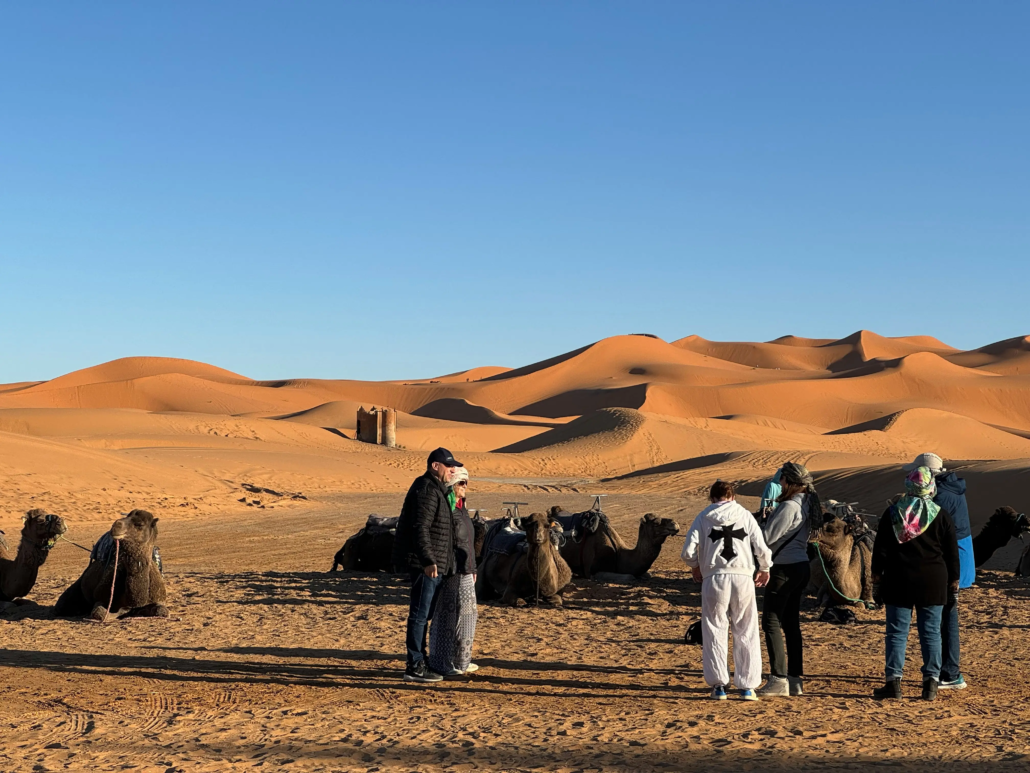
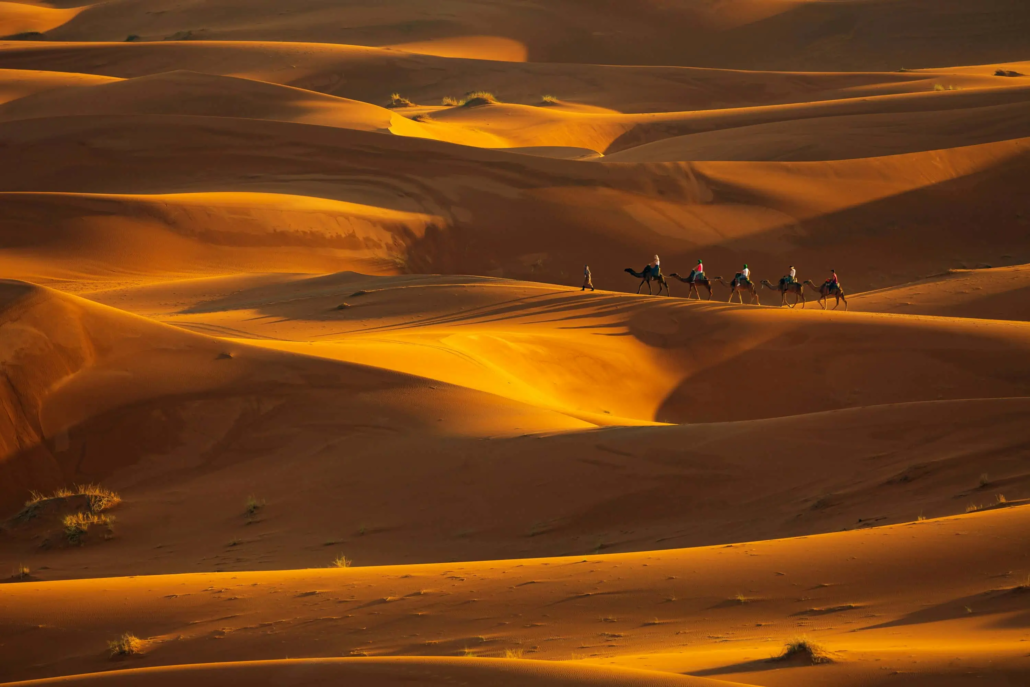
- Morning: Camel trek into the silence. No roads, no noise, just the rhythmic sway and the odd camel opinion about the pace.
- Afternoon: Sandboarding, quad biking, or simply lying in a tent doing absolutely nothing — which, in the desert, feels radical and necessary.
- Evening: Sunset from the top of a dune with mint tea in hand. This moment alone justifies the entire trip.
- Night: Stargazing in one of Africa’s darkest skies. The Milky Way isn’t a concept here — it’s a ceiling.
“There are places that are beautiful. Then there are places that are alive. Erg Chigaga is the second kind.”
Explore More of Morocco’s Desert Magic
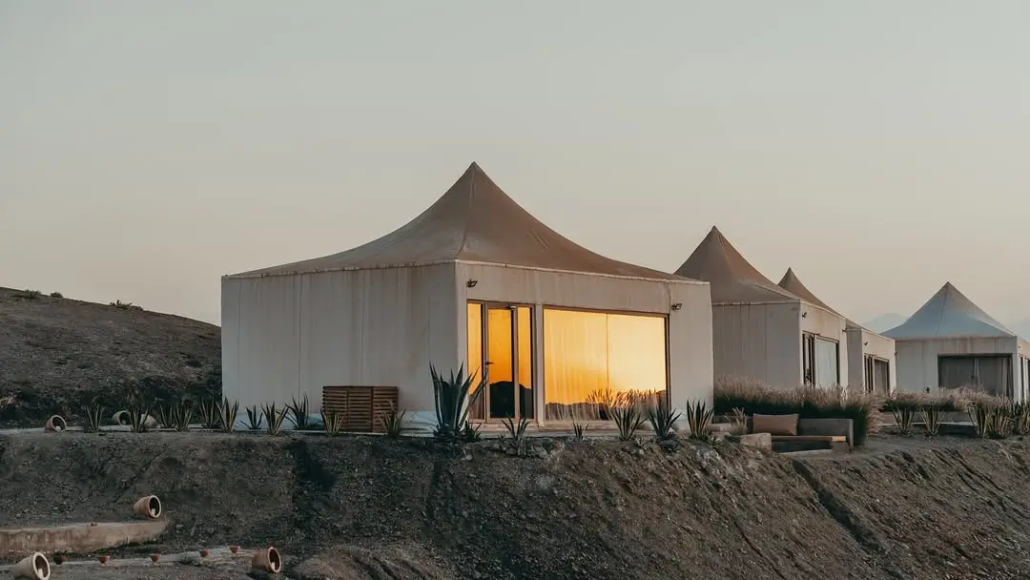
One of the smartest things you can do is combine desert regions into a single epic Moroccan road trip. Morocco’s infrastructure has improved dramatically, and linking these destinations is easier than you’d think.
If you’re heading toward the eastern Sahara, don’t miss the dunes of Merzouga — specifically The White Camel Acacia and Merzouga Luxury Desert Camps, two outstanding properties that share the same philosophy of authentic luxury without compromising on the wild desert soul.
And if you’re based in or near Marrakech? The Agafay Desert is a rocky, moonscape desert just 40 minutes from the medina — perfect for a night escape. The White Camel Agafay is hands-down the finest camp in the region, blending Atlas Mountain views with that same warm, refined hospitality.
Pro Tips Before You Go
📍 Local Secret: Erg Chigaga is best reached via M’Hamid El Ghizlane. Hire a local 4×4 guide from the village — they know every track, every dune, and exactly where the wind sculpts the most extraordinary formations.
Practical details you actually need:
- Best season: October to April. Summer temperatures can exceed 45°C (113°F) — the desert is stunning year-round but survivable is a reasonable preference.
- Getting there: Fly into Marrakech or Ouarzazate. From M’Hamid, it’s roughly 60 km by 4×4 (about 2 hours on piste).
- Budget reality: A luxury desert camp like Ghazala runs approximately €150–€350 per night including dinner, breakfast, and activities — genuinely worth every dirham.
- Solo travel: Completely safe, especially at established camps. Moroccan desert communities are welcoming and accustomed to international solo travelers.
- What to pack: Lightweight layers, a warm jacket (desert nights are cold, even in spring), lip balm, quality sunscreen, and a camera with extra batteries.
Is the Moroccan Desert Safe? Let’s Address the Elephant in the Room
Short answer: yes, and confidently so.
Morocco consistently ranks among Africa’s safest tourist destinations. The desert regions — particularly around Erg Chigaga and Merzouga — are rural, peaceful, and deeply hospitable. Nomadic Berber culture places enormous value on guest welfare; you’ll feel it in every cup of tea offered, every hand extended to help.
Check the latest travel advisories from the UK Foreign Commonwealth & Development Office or your country’s equivalent for up-to-date guidance, but the overwhelming consensus from travelers is: Morocco delivers.
A Quick Word on Moroccan Desert Culture
The desert isn’t just a landscape — it’s a living culture. The Amazigh (Berber) people have called this land home for millennia, and experiencing their hospitality is as memorable as the dunes themselves.
A few cultural notes worth keeping in mind:
- Dress modestly, especially in smaller villages surrounding the desert.
- Accept tea when offered — refusing is considered impolite, and honestly, Moroccan mint tea is one of life’s great pleasures anyway.
- Bargain respectfully in markets, but don’t grind sellers into the ground. Fair is fair.
- Learn two words: Shukran (thank you) and Labas (how are you / I’m fine). Watch faces light up.
FAQ: Your Moroccan Desert Questions, Answered
Which is better for a first-timer — Merzouga or Erg Chigaga? Both are magical, but they offer different experiences. Merzouga (Erg Chebbi) is more accessible and has excellent camp options like Merzouga Luxury Desert Camps. Erg Chigaga is wilder, more remote, and far less visited — ideal if you want the Sahara mostly to yourself.
How many nights should I spend in the Moroccan desert? Two nights minimum. One night gives you a taste; two nights let you actually feel the desert. Three nights and you start renegotiating your life choices in the best possible way.
Can I visit the Moroccan desert without a tour? You can, but a guided experience significantly enriches it — especially for Erg Chigaga where navigation without local knowledge is genuinely challenging. Camps like Ghazala arrange everything seamlessly.
What food can I expect in the desert? Think slow-cooked lamb tagine, hand-rolled couscous, fresh Moroccan salads, harira soup, and fresh-baked msemen flatbread. At Ghazala, dining is a full sensory event — candlelit, under stars, with Gnawa music drifting through the warm night air.
The Moroccan Desert Doesn’t Wait — Neither Should You
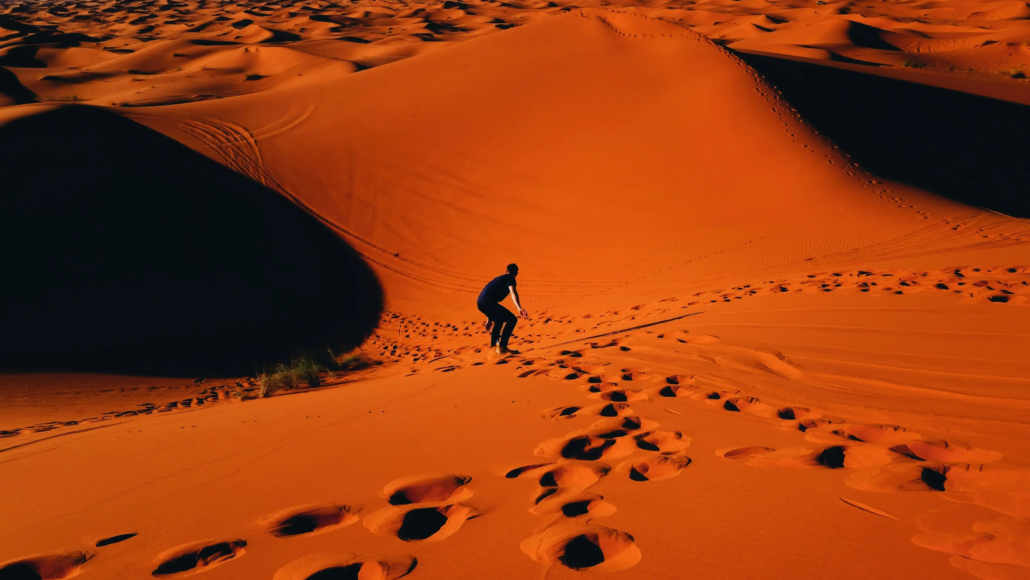
Here’s the thing about Erg Chigaga: it’s still, miraculously, under the radar. The crowds that have descended on other famous dune destinations haven’t fully discovered it yet. That window won’t stay open forever.
Whether you’re a solo adventurer, a couple looking for something genuinely unforgettable, or a family ready to show your kids what the world really looks like beyond a screen — the Moroccan desert delivers something rare: a complete reset.
Explore Ghazala Camp and plan your Sahara escape →
The Moroccan desert has been waiting a long time. It’s very patient. But you don’t have to be.


Leave a Reply
Want to join the discussion?Feel free to contribute!