Morocco Sahara Desert: Your No-Fluff, Stars-and-Sand Guide to the Trip of a Lifetime
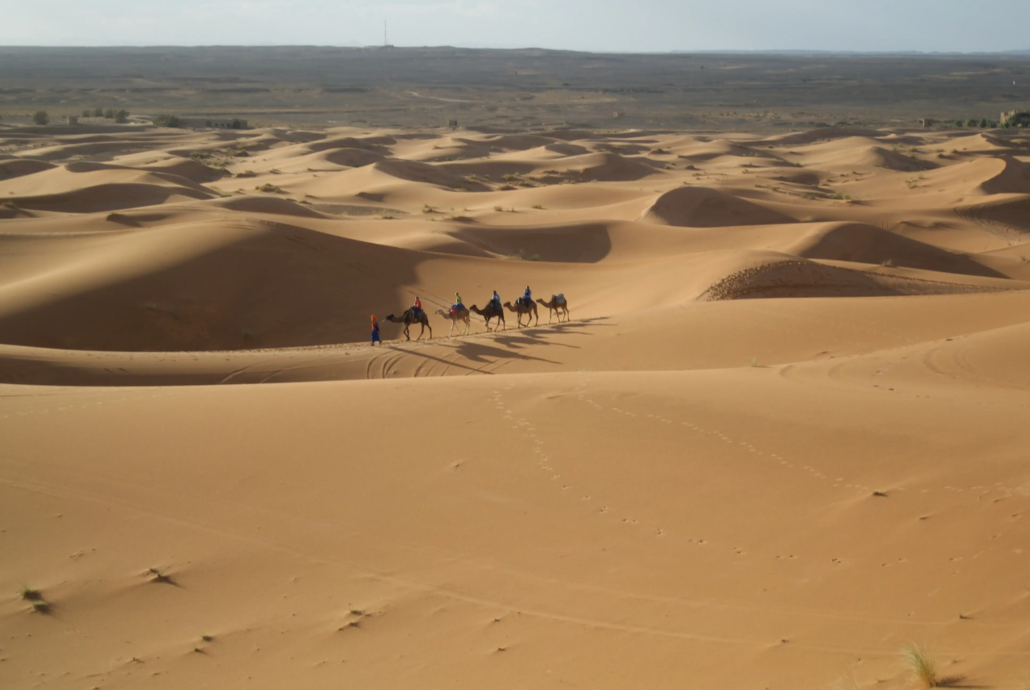
There’s a specific kind of silence you only find in one place on Earth. Not the silence of an empty room or a quiet street at 3 AM — this one hums. It’s alive. You’re sitting atop a camel on the edge of an endless copper dune in the Morocco Sahara Desert, the wind is tracing invisible lines across the sand, and somewhere behind you, your entire concept of “a good holiday” just quietly retired.
Welcome to Morocco’s deep south — wilder, warmer, and more soul-stirring than any travel brochure ever managed to warn you about.
Why the Morocco Sahara Desert Still Surprises Even Seasoned Travelers
Morocco has been on the “must-visit” list for decades. Marrakech, Fes, Chefchaouen — they’re legendary, and rightfully so. But seasoned travelers will tell you the real Morocco, the one that rewires something deep inside you, lives in the Sahara.
The Sahara covers roughly 9 million square kilometers across North Africa, yet Morocco holds some of its most dramatic and accessible corners. You get towering sand dunes, ancient kasbahs, nomadic Berber culture, and — if you time it right — a sky so thick with stars it looks photoshopped. Spoiler: it’s not.
“The desert doesn’t whisper. It speaks. You just have to slow down enough to listen.” — A Berber guide at Erg Chigaga, overheard at dawn
What makes Morocco’s piece of the Sahara particularly special is the sheer variety on offer. From the famous rust-colored dunes of Erg Chebbi near Merzouga to the raw, wild remoteness of Erg Chigaga near M’Hamid — no two Sahara experiences here are the same. Think of it like choosing between two great restaurants: one’s Michelin-starred and buzzing, the other’s a hidden gem the locals love.
Erg Chebbi vs. Erg Chigaga: Which Morocco Desert Should You Choose?
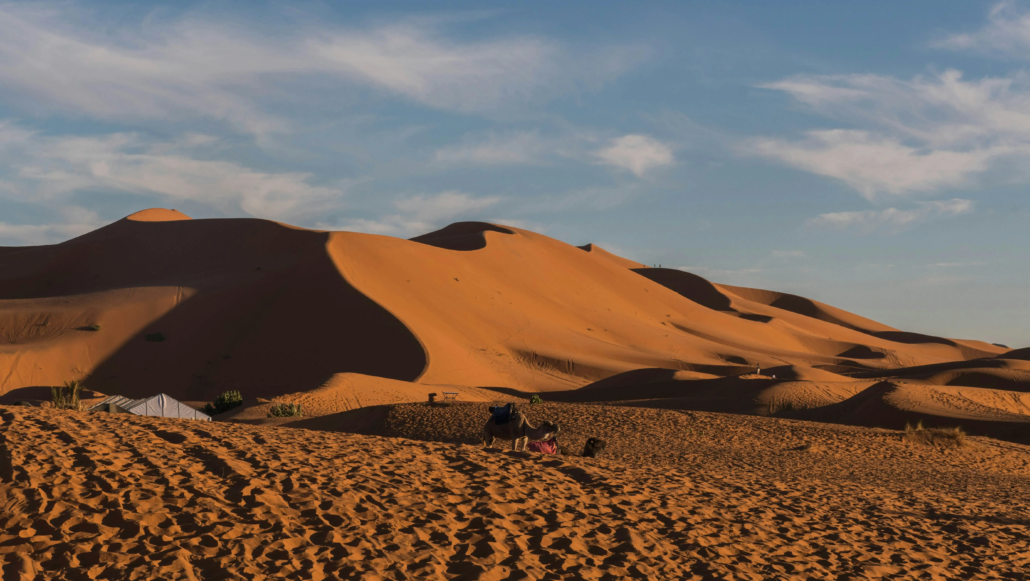
This is the question everyone Googles at 11 PM before booking their Morocco desert trip — and it deserves a real answer, not a vague “it depends.”
| Feature | Erg Chebbi (Merzouga) | Erg Chigaga (M’Hamid) |
|---|---|---|
| Dune Height | Up to 150m | Up to 100m |
| Crowd Level | Moderate to Busy | Quiet & Remote |
| Accessibility | Paved roads to the base | 4WD required (2h offroad) |
| Best For | First-timers, short trips | Adventure seekers, photographers |
| Camp Style | Wide range (budget to luxury) | Mostly boutique & luxury camps |
| Unique Appeal | Iconic orange dunes, sunrise views | Wild, untouched, cinematic landscape |
Both are magnificent. But if you want to go off-radar — truly off-radar — Erg Chigaga is where the magic quietly lives. It takes more effort to reach, and that’s exactly the point. Fewer footprints on the dunes. More silence. More stars.
How to Get to the Morocco Sahara Desert (Without Losing Your Mind)
Let’s be practical here — Morocco is big, and the desert is really far from the airport.
From Marrakech: The classic route. You’re looking at a 9–10 hour drive to Merzouga or 8–9 hours to M’Hamid, depending on stops. Most people book a guided desert tour from Marrakech that combines driving through the High Atlas Mountains, Dades Gorge, Todra Gorge, and the ksar of Aït Benhaddou along the way. Honestly? The road is half the adventure.
From Ouarzazate: Already deep south? A desert tour departing from Ouarzazate cuts 2–3 hours off the journey and still passes through jaw-dropping scenery.
By Bus: CTM and Supratours run routes to Merzouga and Zagora, but they’re long and not always punctual. Budget travelers can manage it — just pack patience along with your sunscreen.
“Don’t rush the road to the desert. It’s not just the destination — the journey through the Atlas is where Morocco starts showing off.”
Morocco Sahara Desert Travel Tips: The Stuff No One Tells You
🌡️ Seasons Matter More Than You Think
- October–April: The golden window. Warm days (20–28°C), cool nights, and magical light for photography.
- May–September: Extreme heat. Dune surface temperatures can hit 80°C. Unless you’re auditioning for a survival show, wait.
- December–February: Cold nights (near 0°C), so pack layers. But the low-season solitude and crisp air? Totally worth it.
💰 Rough Budget Breakdown
| Experience | Estimated Cost |
|---|---|
| Shared 3-day Marrakech–Sahara tour | €120–€180/person |
| Private 3-day tour | €300–€600/person |
| Budget desert camp (per night) | €30–€60/person |
| Luxury desert camp (per night) | €150–€400/person |
| Camel trek (1–2 hours) | €20–€40/person |
⚠️ Pro Tip: Always confirm what’s included in your camp price — dinner, breakfast, and the camel ride are sometimes extras. Ask upfront. Saharan hospitality is generous, but assumptions cost money.
Sleeping Under the Stars: The Desert Camp Experience
Okay, let’s talk about the thing everyone’s most excited (and a little nervous) about: sleeping in a desert camp.
First — yes, they have proper beds. No, you’re not sleeping on sand (unless you want to, in which case, go for it, but don’t complain to me about the sand in your hair for three days).
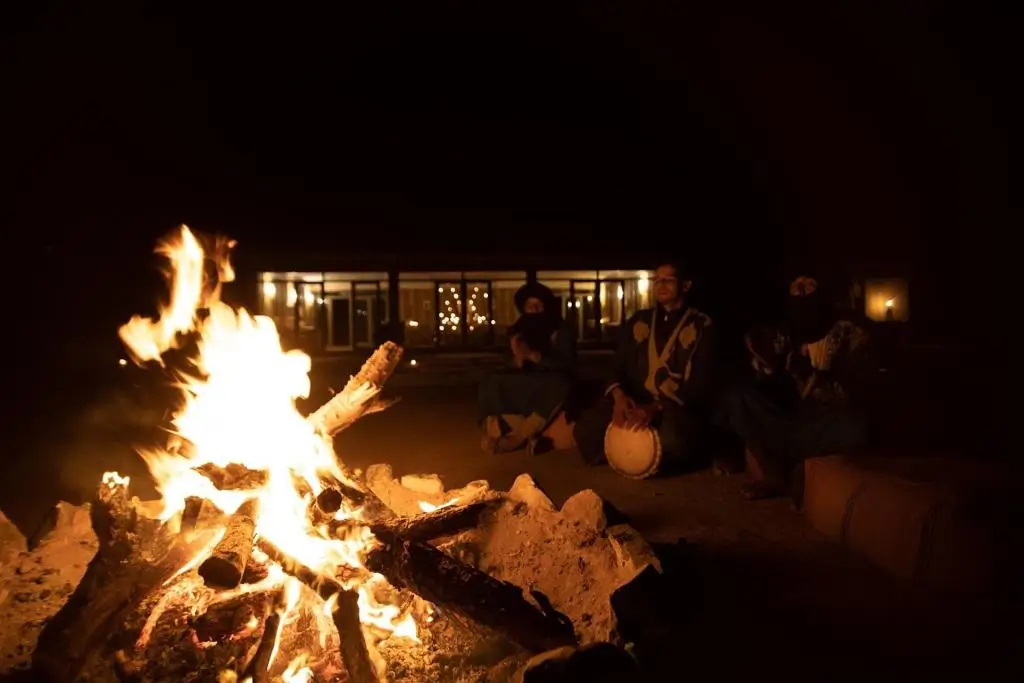
At Ghazala Camp, nestled right in the heart of Erg Chigaga, luxury meets the Sahara in the most honest way possible. Think spacious Berber-style tents with real beds, candlelit Moroccan dinners under the open sky, and live gnawa or Berber music by the fire. The kind of evening that gets permanently attached to your memory.
What makes Ghazala Camp’s desert experience genuinely different from the cookie-cutter camps near Merzouga is the location itself: Erg Chigaga is harder to reach, so the guests who arrive are invested. The atmosphere is quieter, more intentional. You go to bed listening to nothing except the wind, and you wake up to a sunrise that makes you slightly angry it’s free.
“I’ve stayed in five-star hotels on four continents. My night at Erg Chigaga camp is still the best sleep I’ve ever had. Go figure.” — Guest review, Ghazala Camp
Desert Activities in the Morocco Sahara: Beyond the Camel Photo
Yes, the camel photo is coming. You know it, I know it, your future Instagram followers know it. But the Morocco Sahara desert offers a lot more than one golden-hour selfie.
Head over to the full list of Erg Chigaga desert activities for a deep dive, but here’s a quick taste:
- Sandboarding down the face of a 100m dune (harder than it looks, more fun than it sounds)
- Sunrise camel trekking before the heat kicks in
- Stargazing with zero light pollution — bring a blanket, not a phone screen
- 4WD dune bashing for the adrenaline crowd
- Berber cooking workshops at camp — tagine never tasted this earned
- Guided walks with local nomadic guides who know this desert by feel, not GPS
If you want to go deeper into the desert or combine a Sahara stay with a cultural circuit, Sahara Services offers custom Morocco tours — from short Marrakech excursions to full two-week itineraries hitting the imperial cities, coast, and deep south.
Cultural Etiquette in the Moroccan Desert
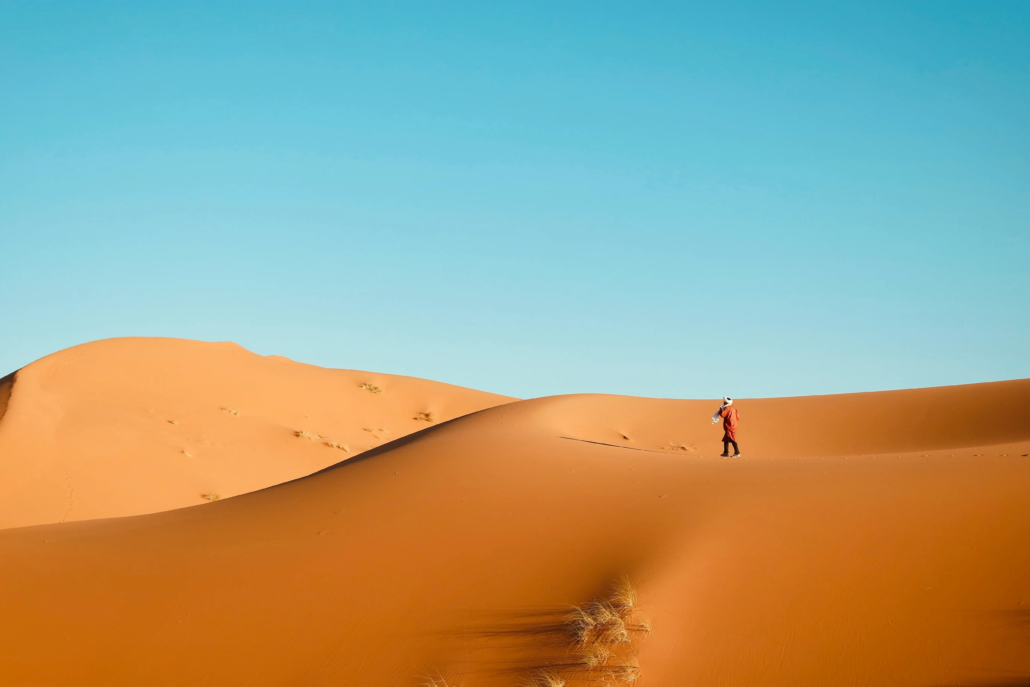
Before you pack, a few things worth knowing so you don’t accidentally offend your Berber hosts — who are, by the way, among the warmest people you’ll ever meet.
- Dress modestly, especially in villages en route. Shoulders and knees covered goes a long way.
- Accept mint tea when offered. Refusing it is a bit like declining a hug from a grandmother. Just drink it — it’s delicious anyway.
- Learn three words of Darija (Moroccan Arabic): Shukran (thank you), Labas (all good), and Bismillah (said before eating). You’ll get smiles for a week.
- Bargaining is normal in souks, but aggressive haggling in a desert village feels out of place. Read the room.
- Photography: Always ask before photographing locals or their homes. A simple gesture and a smile usually gets a yes.
Is the Morocco Sahara Desert Safe? (The Honest Answer)
Genuinely, yes — and this comes from someone who has been talking to travelers about Morocco for years. The Sahara region, including routes from Marrakech through Ouarzazate and on to M’Hamid or Merzouga, is very safe for tourists, including solo travelers and solo women.
That said, sensible precautions always apply:
- Book through reputable operators with verifiable reviews
- Share your itinerary with someone at home
- Stay hydrated — desert heat is relentless and non-negotiable
- Stick to guided treks if you’re venturing far from camp
The UK Foreign Office and most Western governments rate Morocco as a generally safe travel destination with standard tourist precautions advised.
FAQ: Morocco Sahara Desert Questions Answered
Q: How many days do I need in the Morocco Sahara Desert? A minimum of two nights gives you time to truly settle in — one for arrival and the first sunset, one full day for activities and a proper sunrise. Three nights is the sweet spot for a transformative experience without rushing.
Q: Can I visit the Sahara independently without a tour? Yes, especially if you rent a car (4WD strongly recommended for Erg Chigaga). But a guided experience adds depth — your guide will share stories, navigate the dunes safely, and connect you to local culture in ways Google Maps simply can’t.
Q: What should I pack for a Morocco desert trip? Layer up: a light jacket for cool evenings, a scarf for sandstorms and sun, sturdy closed shoes for dune climbs, SPF50+, a power bank, and a headtorch. Leave the roller suitcase at the riad — a soft duffel bag is your desert best friend.
Q: Is the Morocco Sahara Desert worth the journey from Marrakech? Every single kilometer of it. The drive through the High Atlas, the kasbahs, the gorges — and then the dunes appear on the horizon and your breath genuinely catches. Worth it doesn’t even begin to cover it.
Start Planning Your Morocco Sahara Desert Adventure
The Morocco Sahara Desert doesn’t care about your to-do list, your deadlines, or the 47 unread emails waiting in your inbox. It offers something increasingly rare: genuine stillness, sky-wide beauty, and a reminder that the world is much bigger and more beautiful than your screen suggests.
Whether you choose the iconic dunes of Erg Chebbi or the wild solitude of Erg Chigaga at Ghazala Camp, one thing is certain — you’ll leave the desert carrying a piece of it. Possibly in your shoes. Definitely in your chest.
Book the trip. The dunes aren’t going anywhere. But the version of you that hasn’t seen a Sahara sunrise yet? That one’s on borrowed time.


Leave a Reply
Want to join the discussion?Feel free to contribute!